Our story
Kalapu Mou Misinale Laumalie
Established on the 30th of July 2022
Registered as an Incoporated Society on 7th January 2026
with the intentions of creating a space for young men to engage in conversations and learn about Culture, Christ and fellowship in its different forms.
In this space with kava being the main vehicle to drive these conversations and areas of learning the purpose of the kalapu is for self improvement in areas of faith and in culture as we continue this mission of spirituality, hence the name
MOU MISINALE LAUMALIE. (Be Missionaries of Souls).
Tu’a Ofa atu.

The Kalapu Emblem
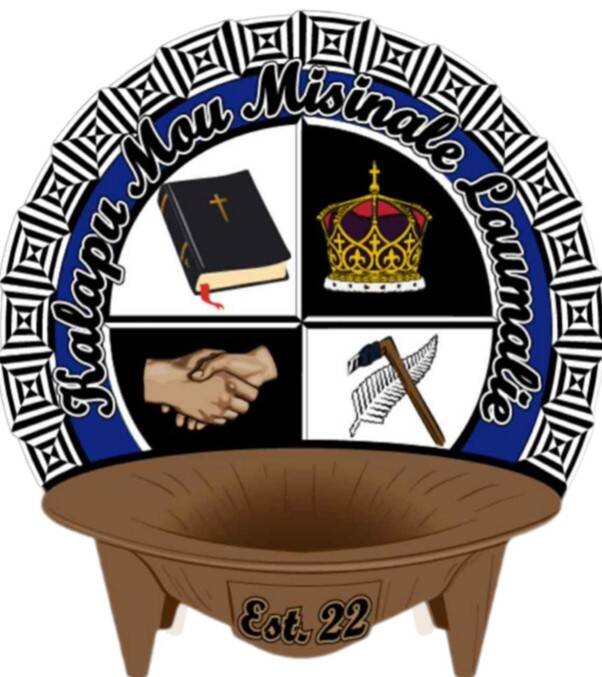
Core Pillars of the Emblem
The central part of the emblem is divided into four quadrants, each representing a fundamental pillar of Tongan society and the club's ethos:
God: Positioned prominently, the image of a Bible symbolizes the profound Christian faith that underpins Tongan culture and values. This represents a commitment to spiritual principles and guidance.
King & Country: Depicted by a crown, this quadrant signifies loyalty and respect for the Monarchy and the Kingdom of Tonga. "Ko e ʻOtua mo Tonga ko hoku tofiʻa" (God and Tonga are my inheritance) is the national motto, emphasizing the inseparable bond between faith, royalty, and national identity.
Comradeship: Illustrated by a handshake, this element highlights the strong bonds of friendship, mutual support, and brotherhood cultivated within the kava club. It underscores the importance of unity and collective well-being among members.
Toki and the Fern: The toki and the fern represents the majority of the members being first generation born Tongans in New Zealand.
The Kumete and the Kafa Pattern:
Beneath the core quadrants, a traditional Tongan Kumete (kava bowl) is depicted. The kumete is central to the kava ceremony, symbolizing unity, hospitality, and the communal sharing of wisdom and experiences. The phrase "Everything shared around a kumete kava" encapsulates the spirit of generosity, open dialogue, and social cohesion that defines these gatherings.
The outer border of the emblem features kafa patterns. Kafa is a traditional coconut sennit rope used in various Tongan cultural contexts, including tying the ta'ovala (waist mat). These intricate patterns symbolize the strengthening of bonds among individuals and the collective commitment to holding tightly to Tongan traditions and identity, a concept known as pukepuke fonua (to hold onto the land/tradition).